Wildlife Weekends Without the Wheel: Explore Britain by Rail, Bus, and Boot

Join us as we dive into Car-Free Wildlife Weekends Across the UK, weaving together rail-linked reserves, breezy coastal paths, boardwalk wetlands, and story-rich communities. Discover practical itineraries, confident planning tips, and heartfelt anecdotes that prove wild encounters thrive without car keys. Share your favorite routes, subscribe for fresh ideas, and help fellow travelers build kinder journeys for birds, beasts, and the people who care for them.

Planning Your Escape with Trains, Buses, and Boots
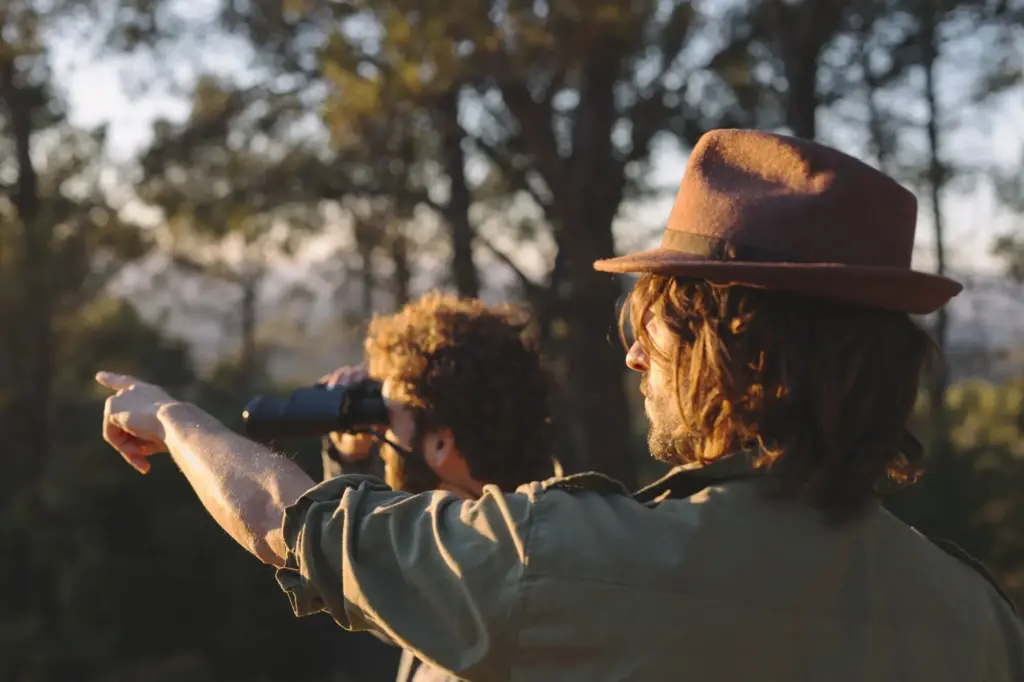
A memorable wildlife weekend begins with simple, resilient planning. Sketch generous transfer windows, check last return services, and pair timetables with walking maps to link stations, ferries, and hides. Pack light, charge your phone, bookmark live updates, and keep a wet-weather alternative ready. Think about accessibility, daylight hours, and tides, then leave space for serendipity, because the heron, the otter, or the unexpected rainbow will never follow a rigid clock.

Coastal Migrations You Can Reach Without Driving

Puffins and Gannets at Bempton Cliffs by Rail and Footpath

Ride to Bridlington or Bempton stations, then follow waymarked lanes to cliff-edge viewpoints where gannets wheel like living snow. Late spring through midsummer brims with sound and salt, yet quiet patience reveals tender courtship moments. Pack a lens cloth for sea spray, and layer up against gusts. On the return, pause in hedgerows for whitethroats and botanize verge flowers. Share your sightings list online to help newcomers plan peaceful, respectful visits.

Terns, Eiders, and Seal Haunts via Northumberland’s Coast Route

Trains to Alnmouth plus a scenic bus along the coast deliver you close to boat trips and sandy paths. Check sailing notices, because swell and wind steer decisions as surely as tide. When boats run, keep cameras zipped until guides confirm acceptable distances. If seas cancel departures, delight in shorelife instead—ringed plovers tiptoeing, eiders bobbing, and cliff grass whispering. Warm up afterward with chowder, and mark safe nesting zones on your map.

Winter Waders on the Exe by Little Local Trains
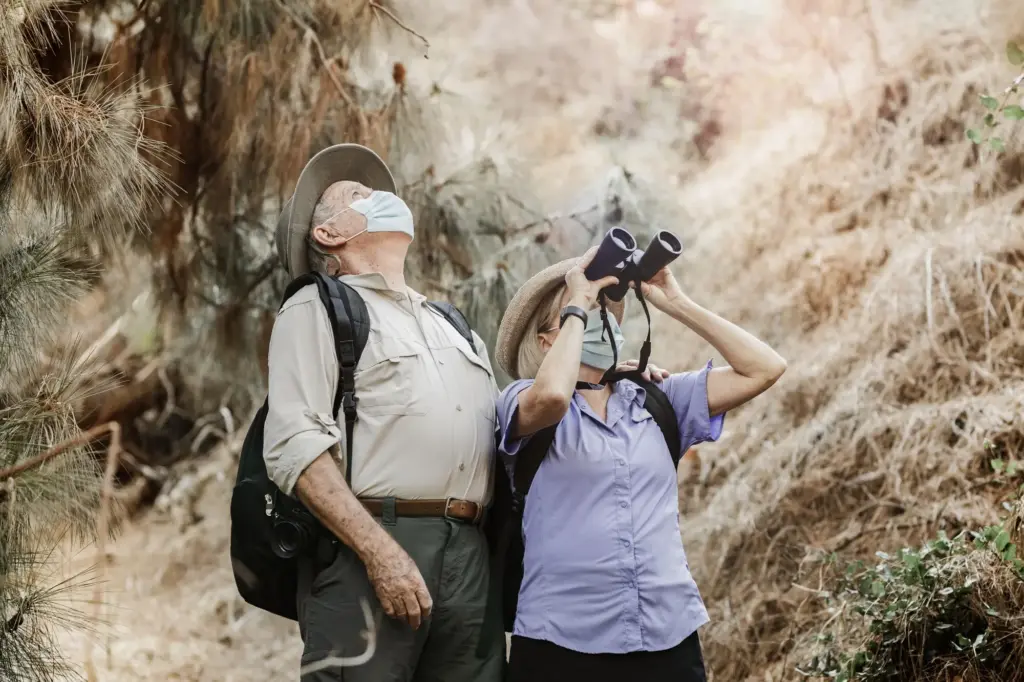
Hop between Exeter, Topsham, and Exmouth on the compact branch line, stepping out to riverside lookouts where avocets sweep and curlews call like old stories. Dress warmly, bring a thermos, and let incoming tide gather waders closer. Friendly volunteers often share recent highlights near hides. If weather turns, linger in bookshops and return at better light. Post your rail-to-river route so others can follow a gentle, tide-wise journey.

Woodland Dawn Choruses Just a Few Stops Away

Ancient trees and dew-wet paths sit astonishingly close to platforms and Tube stops, where song thrushes, robins, and summer warblers braid music through first light. Plan an early arrival and a mid-morning bakery reward. Keep voices soft, step carefully around roots, and pause often. Even short loops can brim with discovery—lichen constellations, woodpecker drumming, and fox tracks patched across muddy gateways. Note quiet corners, then invite friends to taste sunrise stillness next weekend.

Wetlands, Reeds, and Easy Boardwalks for All

Reedbeds and marshes welcome slow walkers and quick spotters alike, especially where stations sit near hides and circular paths. Scan for bitterns at dusk, bearded tits in winter sunshine, or marsh harriers quartering skies. Pack patience for reed rustles turning into glimpses. Many sites offer step-free access, friendly wardens, and bird lists on chalkboards. Check bus frequencies before sunset, carry a tiny torch, and celebrate the calm, meticulous beauty of waterbound edges.

Leighton Moss by Train to Silverdale’s Quiet Paths

Disembark at Silverdale and follow well-signed lanes to sweeping reedbeds where otters sometimes surface like secrets. Boardwalks guide careful feet, while hides shelter you from Lancashire weather. Ask volunteers about recent bittern booms or bearded tit flurries. Between showers, marsh harriers trace patient circuits overhead. Keep noise low, store snacks in reusable containers, and jot your sightings with times, helping future visitors catch similar magic without relying on cars for access.

Rainham Marshes Straight from an Urban Platform

Ride the c2c line to Purfleet and stroll a short distance to expansive Thames-side habitats alive with lapwings, skylarks, and seasonal raptors. The route favors newcomers—clear signage, level paths, and friendly staff. Bring binoculars, respect closed sections, and time your return train with a warm café pause. Urban industry across the river contrasts powerfully with thriving wildlife, reminding us that good travel choices and careful stewardship can revive life at the city’s edge.

Belfast Lough’s Window on Wildlife via Local Rail

From Belfast’s central stations, hop a quick train to Sydenham and wander to viewing hides overlooking rich tidal flats. Expect light-blessed moments with waders, terns, and winter ducks, all within an easy stroll. Chat with locals about seasonal highlights, note accessible paths, and consider a harbor-side lunch before riding back. Post your timing tips for others, proving that even compact schedules can hold expansive encounters when engines rest and legs lead.

Peaks, Moors, and Highland Glens Without a Car

{{SECTION_SUBTITLE}}
Cairngorms by ScotRail, Footpaths, and Forest Edges
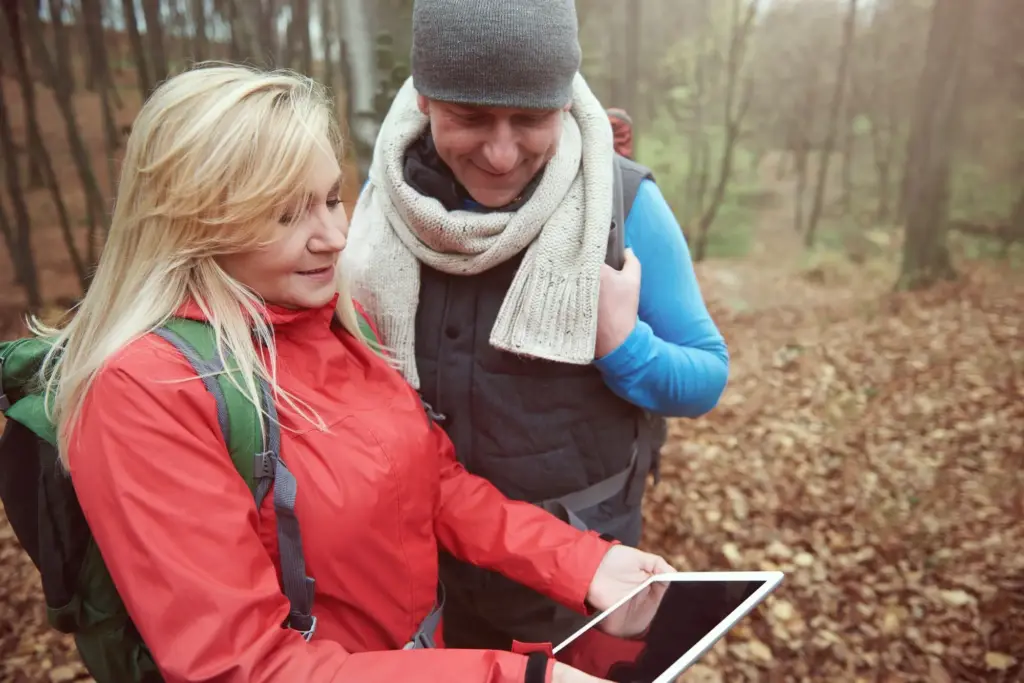
Aviemore’s platform opens to trails lined with Scots pine, where crested tits whisper through needles and red squirrels flick like embers. Buses reach lochs ringed by beaches and calm reflections. Avoid disturbing sensitive leks or roosts, follow waymarks, and pack a spare glove for wind-chilled optics. If clouds close in, choose lower forest loops, then reward yourself with hot soup before the evening train, recording grid references for future explorers.

Peak District Day Circuits from Edale Station

Step straight onto moorland from the platform and let valley paths climb to views stitched with drystone walls. In spring, scan scree for ring ouzels; in autumn, savor heather’s purple hush. Stay on durable surfaces, dodge saturated bogs, and keep dogs close around livestock. If weather turns, retreat along rivers shimmering with dippers. Catch a daylight train back and share a GPX file so others can follow your safe, soulful circuit.

Sleeping Close to the Platform

Book simple lodgings a short walk from the station, so early departures feel joyful rather than rushed. Prioritize drying rooms for wet gear, breakfast times aligned with first trains, and staff who understand packed lunches. A central base lets you pivot between wetlands, woods, and coasts without extra transfers. Share addresses and walking times afterward, helping families, students, and new explorers feel welcome, confident, and unburdened by complex logistics or car hire.

Eat Where the Birders Eat

Cafés near hides know the rhythm of tides and train times. They’ll point you to a bench out of wind or a lane bursting with bees. Choose places that refill water bottles and celebrate local produce. Chat kindly, tip well, and ask about bus stops you might have missed. Post a mini guide listing warm soups, vegan options, and late-opening spots for winter dusk returns, strengthening the community that shelters travelers and wildlife.

Learning from Rangers and Volunteers

Guided walks deepen understanding of seasonal sensitivities, from ground-nesting birds to reedbed roosts. Ask about quieter corners when crowds gather, and write down phrases that illuminate behavior. Consider joining a one-hour litter pick before your train back, turning admiration into action. Thank volunteers by name, donate if you can, and share respectful itineraries online. Your curiosity, courtesy, and small contributions help keep access welcoming and habitats resilient for everyone arriving without cars.