Wildlife Shots on a Shoestring: Weekend Rail Adventures Without a Car
Pack your camera, grab a window seat, and set out to master budget car‑free wildlife photography weekends by rail, where affordable fares, gentle timetables, and walkable reserves align with ethical, low‑impact travel. This guide introduces routes, packing lists, fieldcraft, and stories that help you chase light, not parking spaces, and return with expressive images, rested legs, and a fuller wallet. Discover how trains, patience, and curiosity can carry you to unforgettable encounters.

Planning the Journey, Framing the Shot

Start with habitats reachable from stations, align sunrise and sunset with arrival windows, and leave cushions for weather surprises. We’ll map realistic walking distances, reserve openings, seasonal migrations, and photographic priorities so schedules support creativity. Expect practical time budgets, printable checklists, and calm pacing that honors wildlife and your energy.

Choosing Rail-Friendly Wildlife Hotspots

Look for reserves and parks with platforms within a comfortable walk, shuttle buses, or dedicated trails from stations. Cross‑check last train times, hides’ capacity, and ranger advice. We’ll suggest coastal estuaries, urban wetlands, and ancient woodlands where birds, deer, or otters can be approached responsibly without car dependency.

Building a Weekend Itinerary That Breathes

Design mornings around dawn movement and evenings around return connections, leaving generous gaps for serendipity and rain. A two‑location plan beats frantic hopping. Include meal stops near stations, water refills, and backup indoor hides. When schedules breathe, photographs feel unhurried and your senses notice quiet, telling details.

Reading Timetables Like a Photographer

Turn departure boards into lighting diagrams. Off‑peak gaps can coincide with golden hour, while late connections encourage blue‑hour silhouettes. Learn transfer thresholds that keep you mobile yet unrushed, and mark last safe returns. Timetables become creative partners, shaping rhythm, patience, and the likelihood of intimate, undisturbed encounters.

Light Luggage, Mighty Results
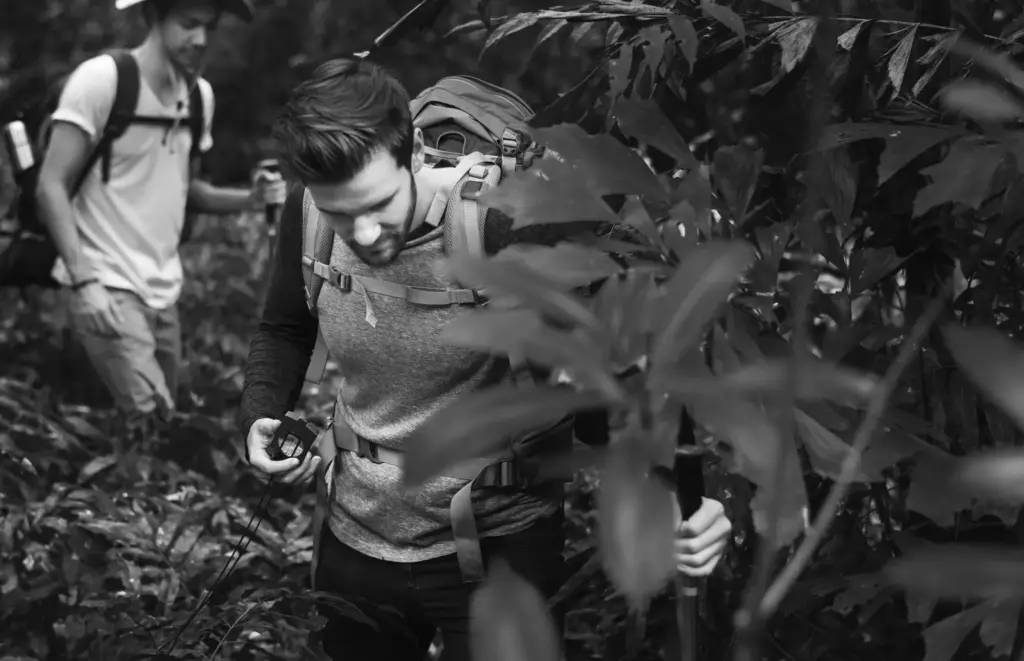
A compact kit reduces fatigue and vibration on platforms, stairs, and footpaths, yet still captures decisive moments. We’ll balance focal length against weight, prioritize stabilization, and favor versatile lenses. Expect practical lists, repair hacks, and comfort add‑ons that protect energy, wrists, and attention for storytelling frames.

The One-Bag Camera Kit

Build a shoulder‑friendly setup: a weather‑sealed body, a small telephoto zoom, a lightweight prime for dusk, and a collapsible travel tripod or clamp. Add spare batteries, microfiber cloths, rain covers, and lens pouches. One reliable bag simplifies transfers, speeds boarding, and quiets your mind before each encounter.

Clothing and Footwear for Mixed Terrain

Prioritize quiet fabrics, layered warmth, and quick‑drying socks for marsh boardwalks, moor tracks, and wet station platforms. Trail shoes with grippy lugs beat heavy boots for train steps. Neutral tones, compact gloves, and a packable shell keep you nimble, discreet, and ready for sudden wind‑driven squalls.

Affordable Tickets, Smarter Routes

{{SECTION_SUBTITLE}}
Finding Off-Peak Sweet Spots
Pair shoulder‑season migrations with cheaper fares and quieter carriages. Early Saturday departures can undercut Friday rush prices and land you beside marshes by sunrise. Learn to monitor booking windows, fare alerts, and minor route changes that trim costs yet keep promising habitats within an easy stride.

Passes, Regional Cards, and Splitting Fares

Discount cards, weekend rover tickets, and careful split‑ticketing legally reduce costs without stress. We’ll outline examples, caution against tight self‑connections, and suggest choosing trains that stop near nature centers. The right combination frees cash for snacks, donations, or an extra hide session when light peaks.

Fieldcraft From the Platform to the Hide

Quiet movement, wind awareness, and patience matter more than megapixels. We’ll practice ethical distances, practice blinds, and read water edges for feeding lanes. Expect advice on body posture, shutter discipline, and handholding techniques that stabilize breath and prevent disturbing sensitive breeding or roosting behaviors.

Silent Approaches and Ethical Distance

Adopt a slow, side‑on walk, pausing often, eyes soft, profile small. Let animals choose proximity. Use longer lenses instead of intrusion, and avoid playback calls. Ethical restraint builds trust, yields natural behavior, and ensures returning to the same line won’t erode fragile, shared habitats over weekends.

Reading Tracks, Tides, and Microhabitats

Notice wader footprints, otter slides, pellet piles, and fresh browse lines near paths. Check tide tables and wind shifts that concentrate prey. Map edges between reed, mud, and gravel where life funnels past watchful lenses. Pattern fluency shortens waiting, clarifies compositions, and keeps feet dry and respectful.

Rain, Fog, and Low Light as Creative Allies

Accept drizzle and mist as texture makers. Use higher ISOs with careful noise handling, and exploit backlit droplets for dreamy bokeh. Fog softens clutter; rain deepens colors. With sleeves rolled and spirit steady, adverse weather becomes your co‑author, not a problem to dodge or curse.

Stories From the Line

First‑hand moments carry lessons schedules cannot. These rail‑bound vignettes reveal how calm planning and small kindnesses from strangers opened doors to rare sightings. Read them for encouragement when alarms ring early, platforms feel cold, and clouds threaten to fold your hope before dawn.

Editing, Sharing, and Community

Culling Quickly on a Train Table

Use stars or colors to mark keepers during the ride, trusting first impressions while memories are vivid. Reject duplicates, soft frames, and heavy crops. Small, regular sessions prevent backlog fatigue, freeing evenings for honest reflection, restorative sleep, and early alarms without simmering editing dread.

Mobile Editing Workflows That Shine

Adopt a simple preset for contrast and color, then adjust exposure per frame, protecting feathers and fur. Fine‑tune white balance for damp dawns or sodium platforms. Export responsibly sized files on the go, so sharing never steals time from savoring horizon changes beyond your carriage.

Join, Subscribe, and Shape the Next Journey

Add your favorite rail‑reachable hides in the comments, subscribe for route breakdowns, and tell us what gear actually earned its place. Your tips, questions, and gentle debates guide future explorations, spark meetups, and help more photographers trade car keys for sturdy shoes and a camera.