Tracks to Wild Places Across the UK

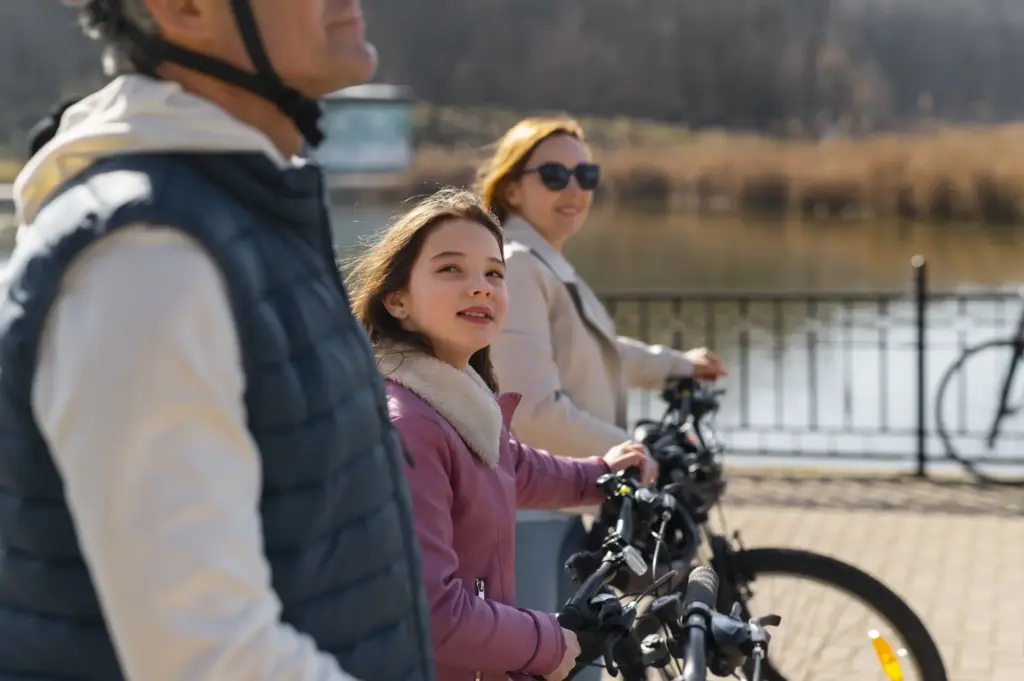
Set out on car-free rail-to-reserve nature itineraries across the UK, linking station platforms with wetlands, cliffs, moors, and ancient woods. We map station-to-gate routes, share last-mile tips and seasonal highlights, and celebrate low-carbon journeys that feel spontaneous, restorative, and rich with wildlife moments you will want to share.

Planning a Seamless Station-to-Reserve Escape
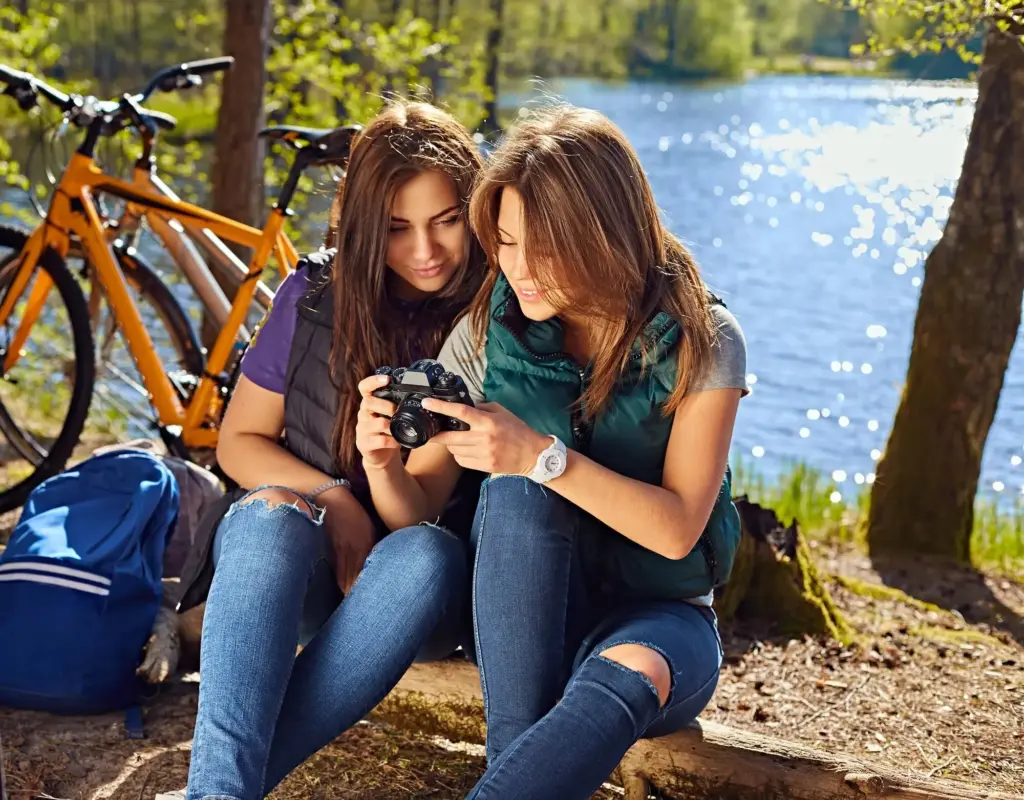
From off-peak departures to step-free exits, a little preparation transforms rail journeys into effortless walks straight toward birdsong and broom-scented paths. Learn to read digital timetables, coordinate local buses or ferries, and build generous margins for serendipity. Share your planning hacks in the comments so fellow travelers keep improving these joyful, low-carbon routes.

Tickets and Timing

Off-peak returns and railcards often lower costs while keeping your schedule relaxed. Check engineering works the night before, screenshot key connections, and consider slightly longer layovers that invite a quick coffee or bakery stop near the station. Tell us your smartest savings for future updates.

Last-Mile Connections

Many reserves meet you with waymarked paths, but others rely on community buses, ferries, or on-foot links along canals and quiet lanes. Pin stop names, verify Sunday schedules, and download offline maps. If you discover a safer shortcut, please share details to help everyone travel better.

Clifftops and Sea Birds by the Next Train

Salt spray, wheeling kittiwakes, and thunderous waves are astonishingly close to platforms along Britain’s coasts. These itineraries pair frequent trains with short walks or quick buses, guiding you from ticket barrier to puffin burrows, gannet ledges, and tide-polished rockpools. Bring layers, curiosity, and patience for changing weather.

RSPB Bempton Cliffs from Bempton Station

Alight at Bempton on the Yorkshire Coast Line, follow signs through the village lanes, and reach dramatic chalk cliffs in about forty minutes on foot, or link the local bus when available. Peak season brims with puffins; please mind cliff edges and give nesting birds respectful distance.

Minsmere via Saxmundham and the Coastal Bus

Take Greater Anglia to Saxmundham, connect with the 64 bus toward the reserve entrance, then wander dunes, woodland, and scrapes alive with avocets and bitterns. The café welcomes muddy boots, while hides shelter you from showers. Share recent sightings so readers can time visits for life-list moments.

Wetlands, Reeds, and Quiet Trains to Tranquility

Glass-still lagoons and reedbeds pair beautifully with unhurried local services. These journeys feel contemplative, inviting slow attention to ripples, wingbeats, and reed warbler song. We suggest stations and buses that minimize road walking, plus café stops and restroom notes that turn logistics into kindness for yourself.

Leighton Moss via Silverdale

Step off at Silverdale on the Furness Line, then follow level lanes or the signed nature trail to hides watching marsh harriers, bearded tits, and red deer. In winter, starlings whirl at dusk. Reserve staff gladly discuss accessibility; share your pushchair or mobility tips to refine our notes.

Newport Wetlands via Newport and Uskmouth

Frequent trains reach Newport, where a short bus links to open paths beside lagoons, sea wall vistas, and wind-sculpted reedbeds. Families love the flat terrain and playful crab-spotting on spring tides. Watch for Cetti’s warbler bursts near scrub edges, then post your gentle loop suggestions in comments.
Kinder Scout from Edale

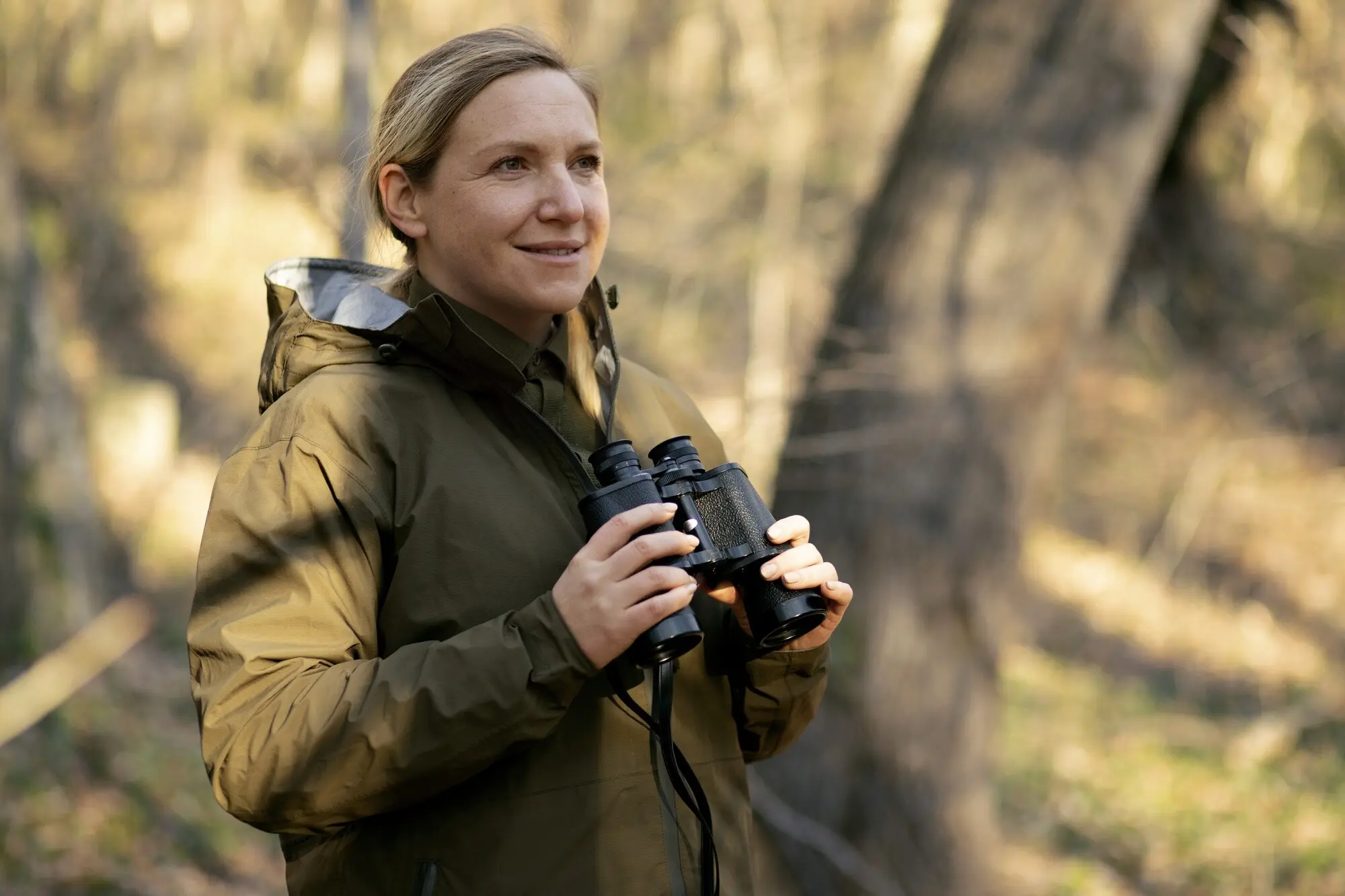
Trains from Manchester or Sheffield spill you directly onto village lanes where footpaths rise toward Kinder’s gritstone edges. Choose the gentler Pennine Way approach and return via Grindsbrook for variety. Always check streams after rain, and share your preferred loop that balances views with quieter moments.

Cairngorms from Aviemore

ScotRail delivers you to Aviemore’s heart, with buses and shared paths leading through Rothiemurchus pines toward Loch an Eilein and ancient forest wildlife. Boardwalks help with wetter sections. In summer, late light rewards patient walkers; in winter, kit for ice. Tell us your snow-safe, low-level alternatives.

Ogwen via the Conwy Valley Line

Ride to Llandudno Junction, connect up the Conwy Valley, then bus to Ogwen Cottage for amphitheater views of Tryfan and the Glyderau. Even a lakeside amble feels epic. Mind mountain forecasts and cut turnaround times decisively. Recommend family-friendly short walks that still feel wildly memorable.

Urban Wild Oases a Few Stops Away

City platforms hide astonishing doorways to water, woodland, and meadow. These quick escapes work beautifully for lunch-break wanders or spontaneous evening breathers. Expect marked paths, cafés, and step-free access, plus wildlife moments that recalibrate busy minds. Share your micro-routes that reliably soothe without complicated planning.

Seasonal Wildlife and Low-Carbon Timing

Choosing when to travel by rail reshapes everything you will notice, from dawn choruses syncing with first departures to winter geese arriving with your breath in the air. Use daylight, tides, and migration calendars kindly; add your observed timings so others can witness reliable magic.

Spring Arrivals and Wildflowers

Pair early trains with blossom-lined lanes, chiffchaff rhythm, and sand martins arrowing past cuttings. Reserve paths can be muddy; waterproof shoes help. Share which stations smelled of hawthorn or bluebells last year, and recommend gentle loops perfect for curious kids collecting joyful firsts.

Long Days, Seabirds, and Picnic Evenings

Summer off-peak fares open room for slower coastal wanders, cliff-top picnics, and patient hours beside tern rafts. Seek shady woodland interludes during heat. Refill water at stations and cafés. Tell us where late trains still align with sunset spectacles without rushing the last bus.