Wild Encounters by Rail, Bus, and Ferry
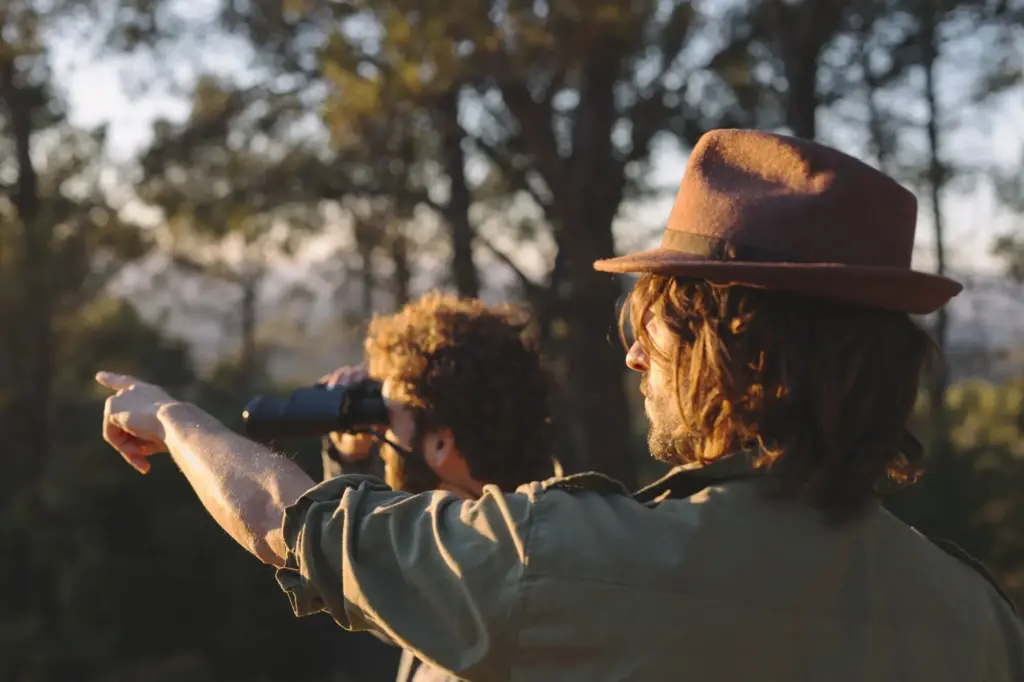

Planning Routes That Lead to Wild Shores and Quiet Glens
Clifftop Joy: Meeting Puffins Without Picking Up Car Keys
Breeding Season Windows and Viewing Codes
Accessible Colonies You Can Reach
Lightweight Gear for Windy Headlands
Grey and Common: Seasons, Pups, and Distance
Reading Tide Tables and Respectful Angles
A Winter Journey: Rails to Roaring Seas
On Foot to the Rut: Deer Encounters From Parks to Moors
Listening First: Ranging, Wind, and Safe Space
Before you step from the bus into the dark, stop and listen. Roars, barks, and twig snaps map where animals already are. Keep the wind in your face, move slowly, and give wide arcs around hinds and calves to prevent panic, injury, and exhausting, unnecessary flights.
Dawn, Dusk, and Getting Home on the Last Bus
Wildlife favors edges of light, while buses and trains favor human routines. Match them carefully, choosing routes with reliable first departures and forgiving late returns. Familiarize yourself with request stops, carry headlamps and reflective bands, and never gamble on unsafe shortcuts across moorland after twilight descends.
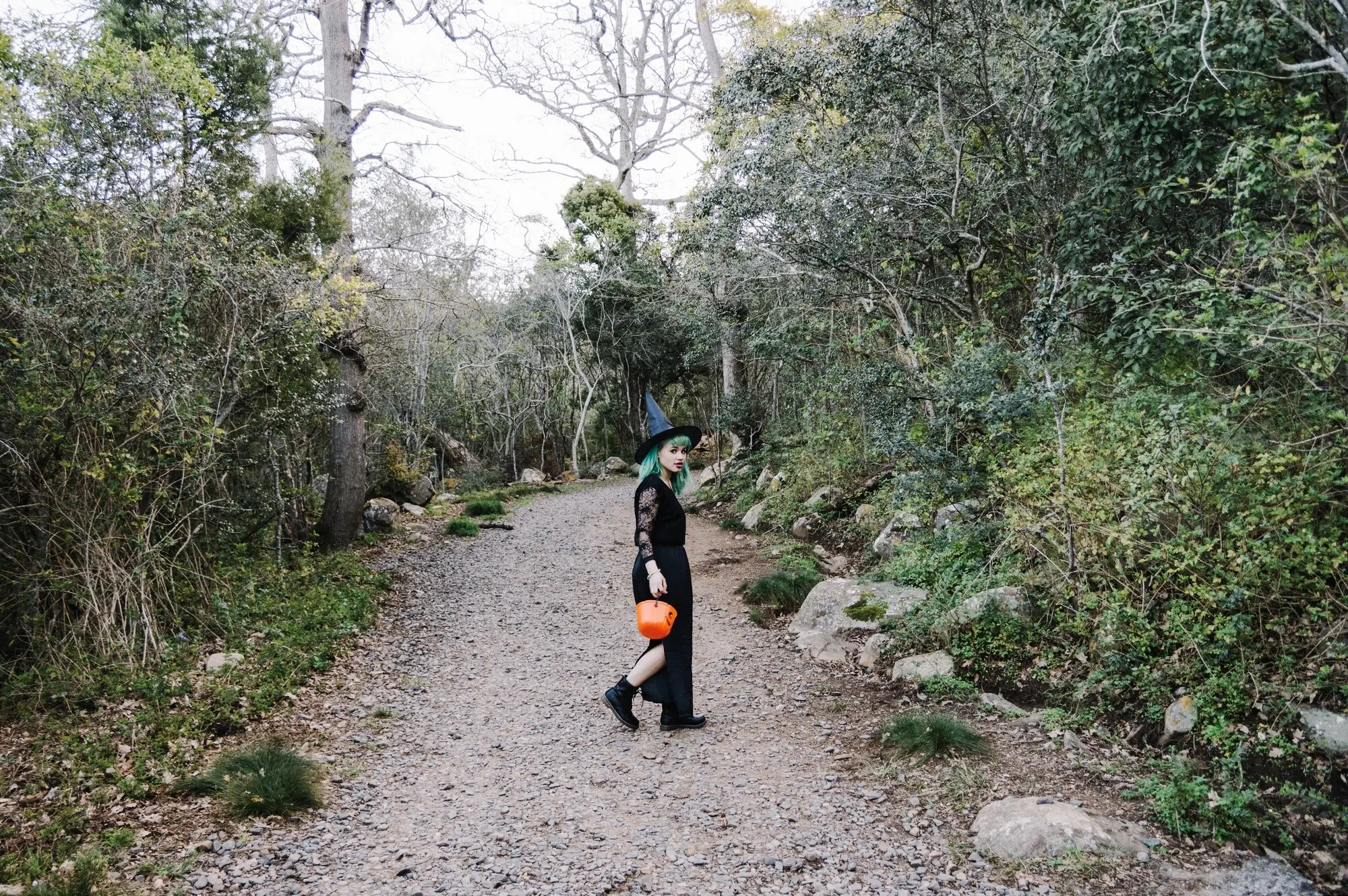
Pack Light, Stay Warm, and Keep Going When Weather Turns
Layering That Works on Platforms and Clifftops
Your outfit should transition from chilly platforms to wind-hammered headlands without fuss. Merino or synthetic base layers manage sweat, mid-layers trap warmth, and shells block gusts. Gloves with grip help on railings and rocks. Avoid cotton, secure loose hoods, and keep a packable insulated jacket close.
Food, Water, and Comfort Without a Car Base
You cannot bail to a warm car, so calories and hydration matter. Pack high-energy snacks, hearty sandwiches, and a flask that lifts morale. Plan refill points near stations, carry a compact filter for moors, and bring tissue, bags, and respectful leave-no-trace habits for remote, fragile places.
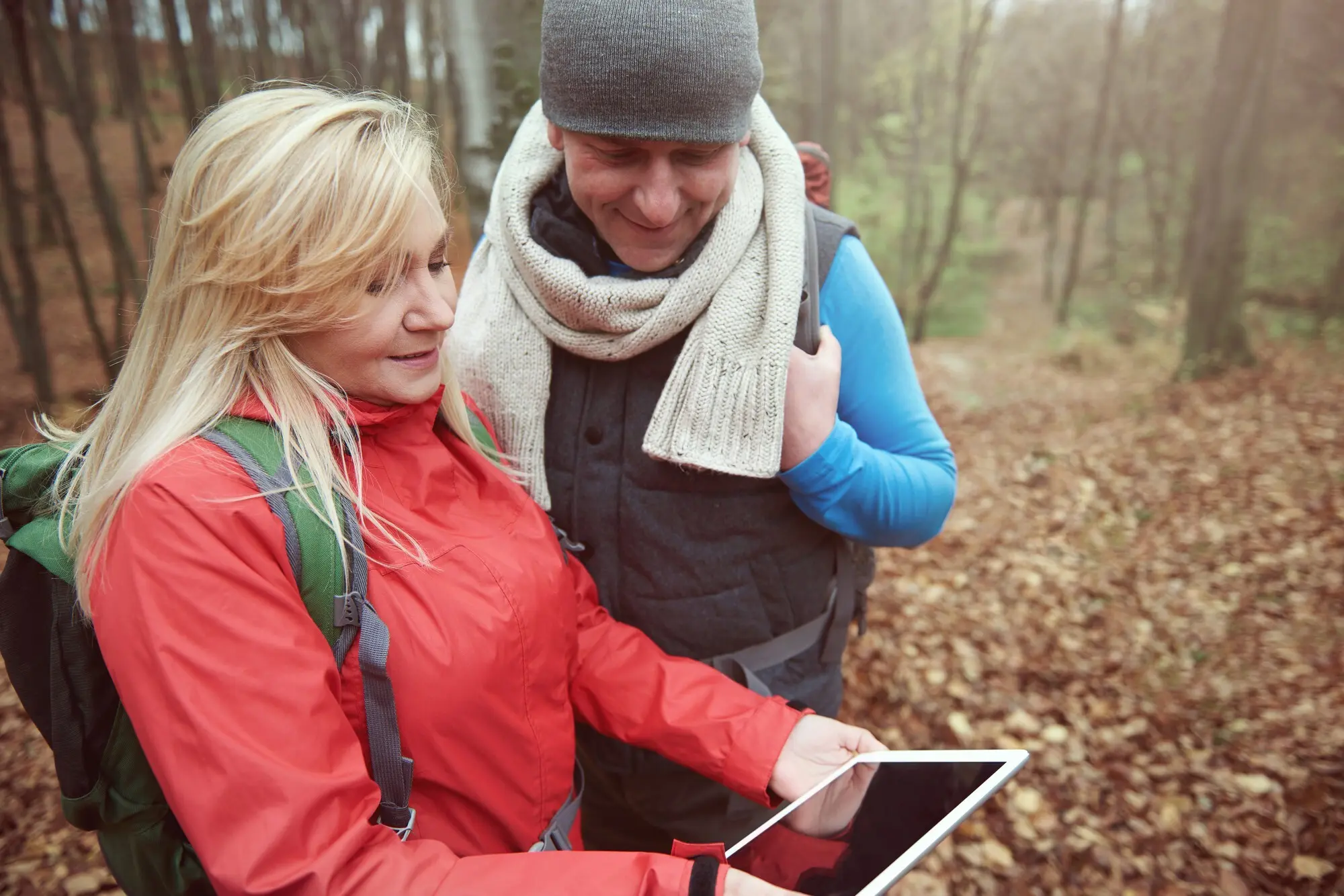
Capture Moments, Not Stress: Photography and Field Notes
Build Community on the Move and Shape the Next Trip
Ask Rangers, Drivers, and Locals With Respectful Curiosity
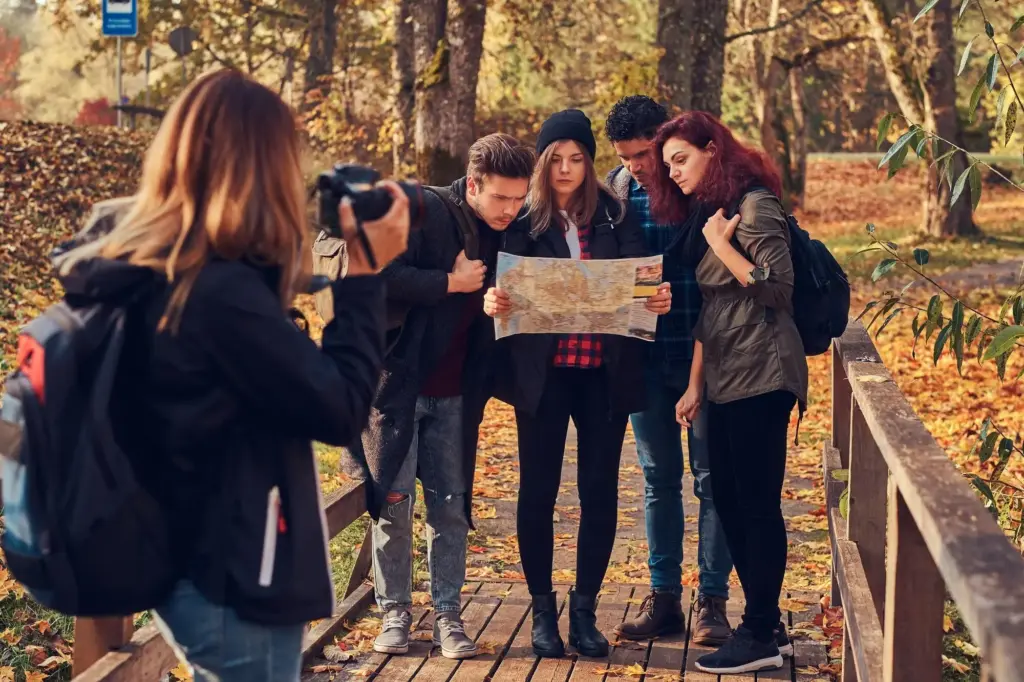
Crowdsource Itineraries: Share Stops, Paths, and Maps
All Rights Reserved.